Jinhwan Kim
I am a principal product designer at JLL Technologies, where I design AI agents for Corrigo, a cloud-based facilities management platform. It brings facility managers, service providers, and customers together around maintenance, so problems get fixed on time.
An agent has no screen for the part that decides. What I design is how much authority it holds, how much of its reasoning shows, and where a person takes the decision back. Across these agents I spent more time on the settings than on the result, because that is where the person in charge keeps control.
I also build what I design. At oneSlash I shipped Scindo, a workspace where people and AI agents work in the same threads, Commentify, which shows all your comments in a single view, Aaside, which makes taking notes smarter, Letsseat, for joining a dinner with a group, and the open-source design system this site runs on.
I think of myself as a designer who translates between language, visual, and technology. 15 years across airlines, logistics, finance, pharmaceuticals, and commercial real estate have been practice in that translation. AI is the newest material to work with, not a replacement for craft.
Ask your own agent
This portfolio is also an MCP server. Add the address below to Claude or ChatGPT as a custom connector, and your agent can answer questions about my work from what I wrote here: who I am, what each project was, what I decided and why.
It returns the same public text as this site and nothing more. There is no sign-in and nothing is stored. The screens stay behind the password.
https://jinhwankim.com/mcp
Design Philosophy
Good product design reduces cognitive load. Every interface is a conversation, the system speaks through layout, type, motion, and silence. My job is to make that conversation clear.
That matters more when the system acts on its own. People keep an agent on when they can see what it did, why it did it, and how to overrule it. That visibility is most of the design. So I design for decisions that are visible and easy to take back, and I let the agent handle the tedious part while people keep the decisions that matter.
Tools & Skills
Reading
Typography
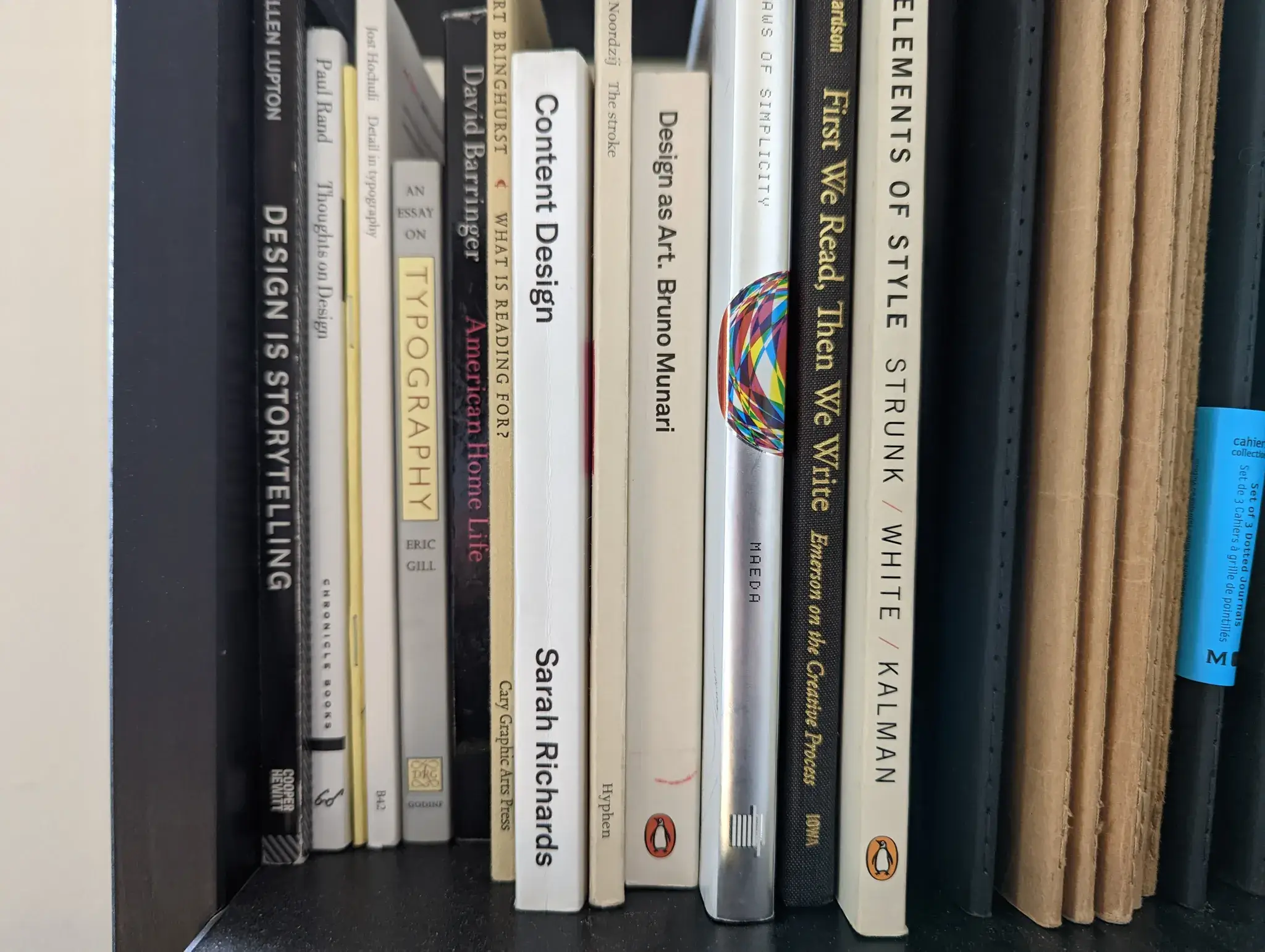
- The Elements of Typographic Style by Robert Bringhurst
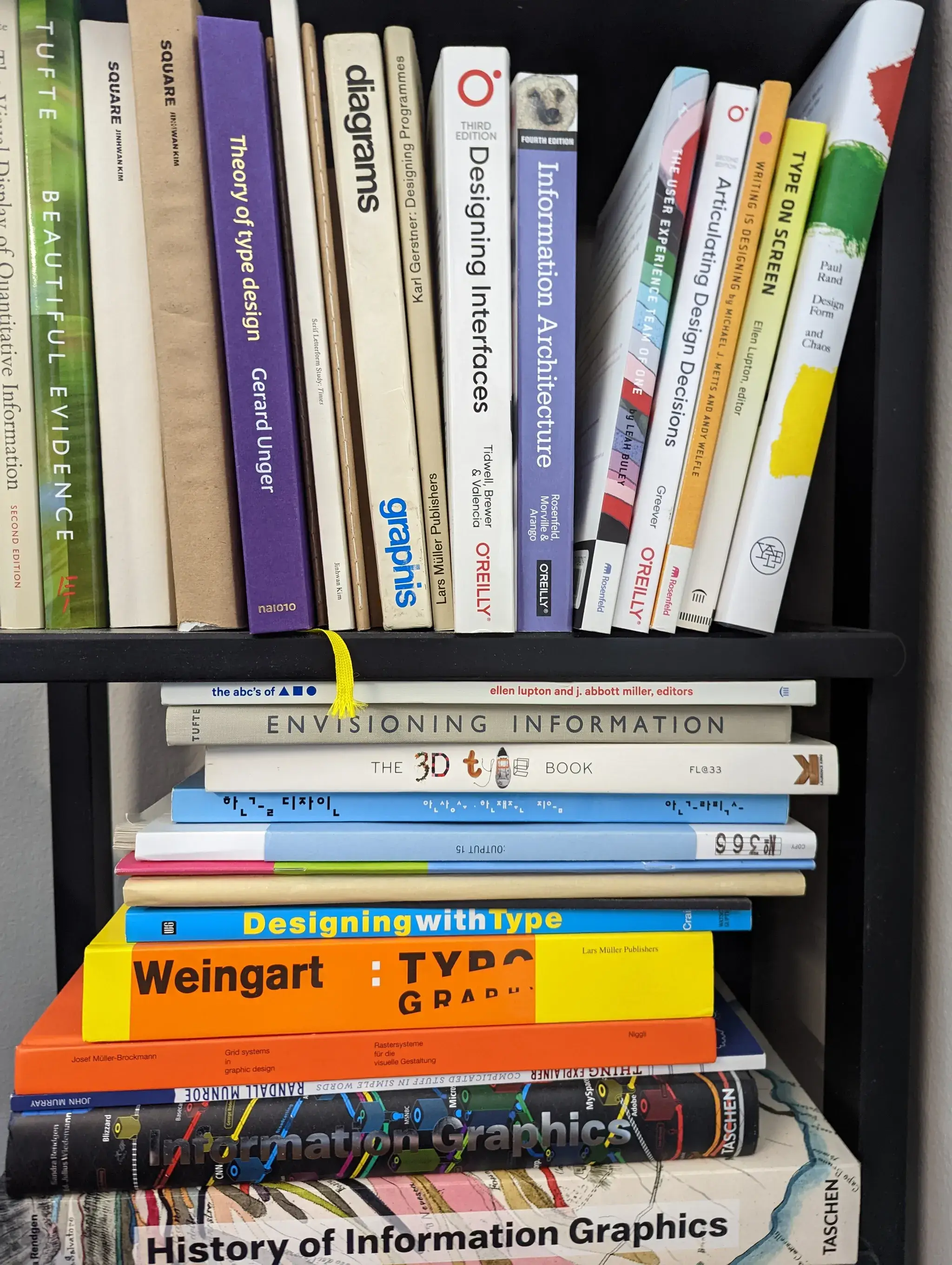
- Theory of Type Design by Gerard Unger
- My Way to Typography by Wolfgang Weingart
- The New Typography by Jan Tschichold
- Grid systems in graphic design by Josef Müller-Brockmann
- Designing with Type by James Craig
- Designing Type by Karen Cheng
- Graphic Design: The New Basics by Ellen Lupton
- Detail In Typography by Jost Hochuli
- Designing Programmes, Karl Gerstner
- The Stroke, Gerrit Noordzij
- Type on Screen by Ellen Lupton

Information Graphics
- The Visual Display of Quantitative Information by Edward Tufte
- Beautiful Evidence by Edward Tufte
- Visual Explanations by Edward Tufte
- Envisioning Information by Edward Tufte
- Guide to Information Graphics by Dona Wong
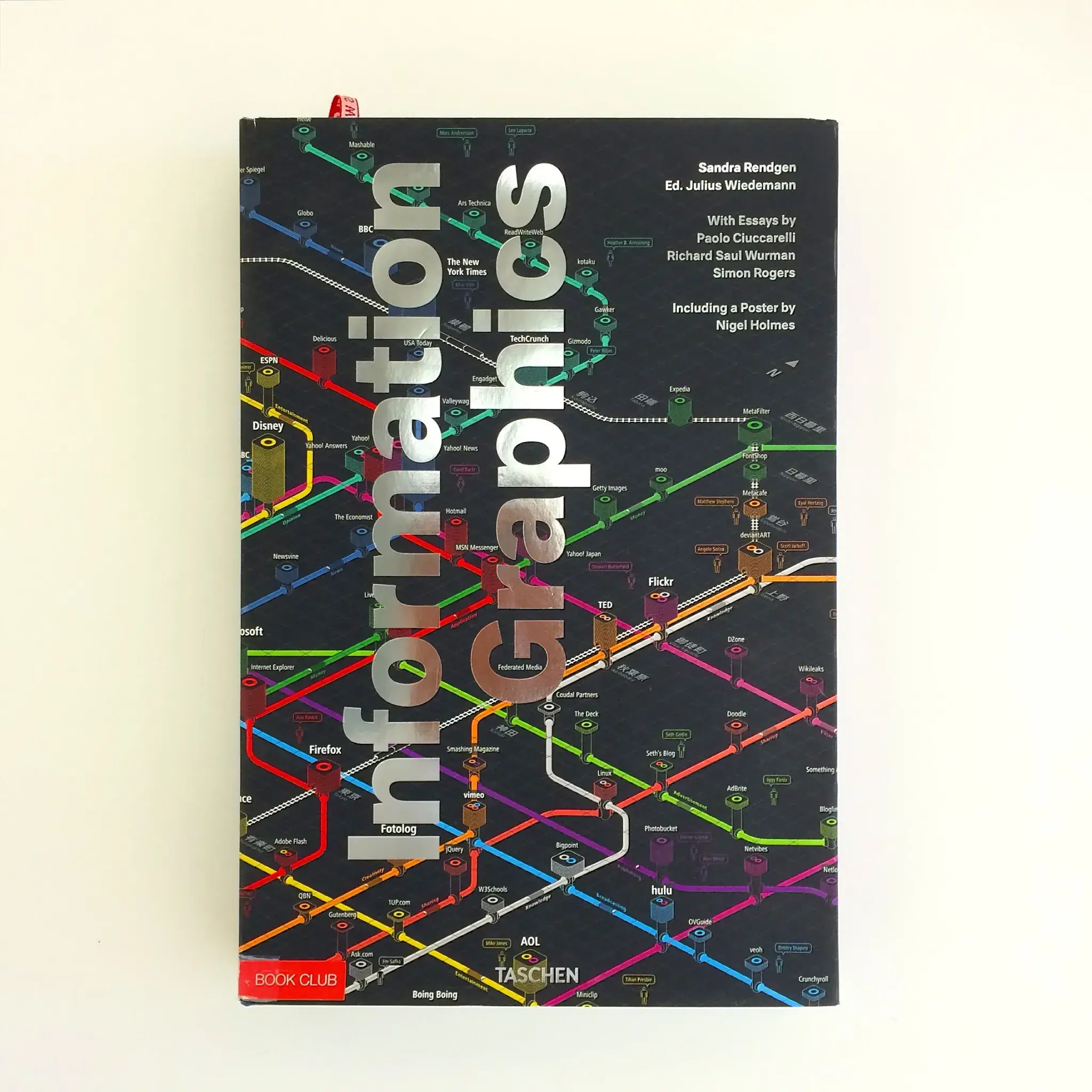
- Information Graphics by Sandra Rendgen and Julius Wiedemann
- History of Information Graphics by Sandra Rendgen and Julius Wiedemann
Product Design
- The User Experience Team of One by Leah Buley
- Articulating Design Decisions by Tom Greever
- Designing Interfaces by Jenifer Tidwell, Charles Brewer, Aynne Valencia
Accessibility
- W3C WCAG 2.0 - Understanding Contrast (Minimum)
- Contrast Ratio Calculator by Lea Verou
- Color Contrast Grid by EightShapes
- Color Contrast Check Tool by Snook.ca
- W3C WCAG 2.0 - Name, Role, Value
- W3C WCAG 2.0 - Non-text Content
- Accessibility Handbook: Making 508 Compliant Websites by Katie Cunningham
- Section 508 Laws and Policies
Content Design
- Writing is Designing by Michael J. Metts and Andy Welfle
- Content Design by Sarah Richards
- The Elements of Style by William Strunk Jr.
- Information Architecture, Peter Morville Jorge Arango